Home » Engineering Electric Loaders
Electric loaders are increasingly used in construction, landscaping and industrial environments where zero-emission operation and low noise levels are required. These machines must deliver the same responsiveness, lifting power and reliability operators expect from conventional diesel loaders.
However, developing an electric loader is not simply a matter of replacing a combustion engine with batteries and an electric motor. Power distribution, hydraulic performance, thermal behaviour and control software all need to work together seamlessly.
Dot Robot supports OEMs and innovators in developing electric loader platforms that combine system performance, reliability and long-term scalability.
Electric loaders operate under highly dynamic conditions. Driving, lifting and hydraulic functions often occur simultaneously, creating fluctuating power demands and short but intense energy peaks during the work cycle.
At the same time, the available onboard energy is limited and must be managed carefully to maintain consistent performance throughout the working day.
Electrifying a loader therefore involves more than replacing a diesel engine with an electric motor. Without tight integration between drivetrain, hydraulics, power electronics and control software, machines can suffer from inefficient energy use, unpredictable behaviour or reduced performance.
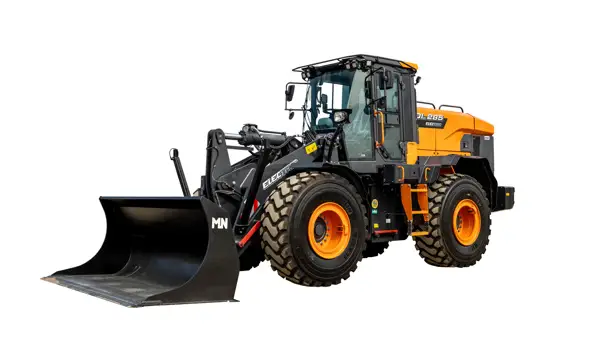
Dot Robot approaches electric loader development as the design of an integrated system. Electric drivetrains, battery systems, hydraulics and software control must be developed together to achieve predictable performance in real-world working conditions.
By aligning hardware architecture with control software and machine duty cycles, we ensure that electric loaders remain responsive, stable and efficient during demanding operations.
Electric drivetrains & motion systems
We design and integrate electric drivetrains tailored to the operational demands of loaders, including traction systems and auxiliary motion control.
Control software & system architecture
Our control systems coordinate torque delivery, motion control and hydraulic performance to ensure stable and predictable machine behaviour.
Energy management & charging integration
We develop energy management strategies that optimize performance and operating time while integrating charging solutions into the overall machine architecture.
Prototyping, testing & industrialization support
From early concept validation to production-ready systems, we support manufacturers throughout the development process.

Electric loader development takes different forms depending on the starting point. Dot Robot supports projects such as:
Electrification of existing loader platforms
Development of new, fully electric loader concepts
Scaling prototypes into reliable, repeatable production systems
In each case, the focus remains on system performance, reliability and long-term scalability.
Relevant experience in electric heavy machinery
Dot Robot has extensive experience in the development and integration of electric motion systems for heavy machinery and industrial equipment.
This experience allows us to address the engineering challenges that arise when electrifying loaders, from powertrain integration to energy management and system control.
Whether you are exploring electrification or already developing an electric loader platform, Dot Robot can support you with system-level engineering, specialized products and integration.
We deliver a total package, making it fun and easy for our clients to work with us. We are pragmatic and quick to deliver. Below, you find the most important areas of expertise we employ:
Click the expertise icons to learn more, or contact us directly!
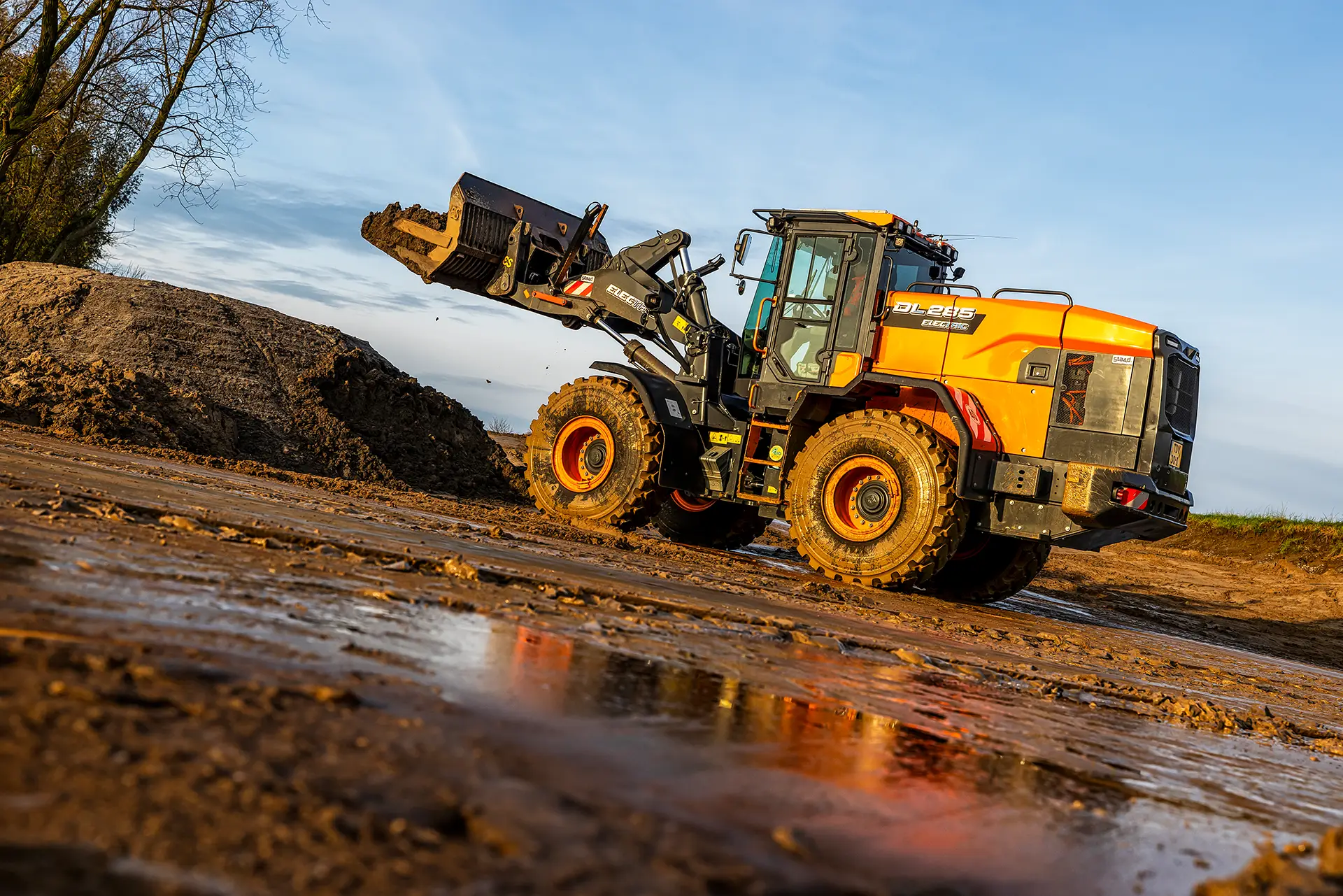
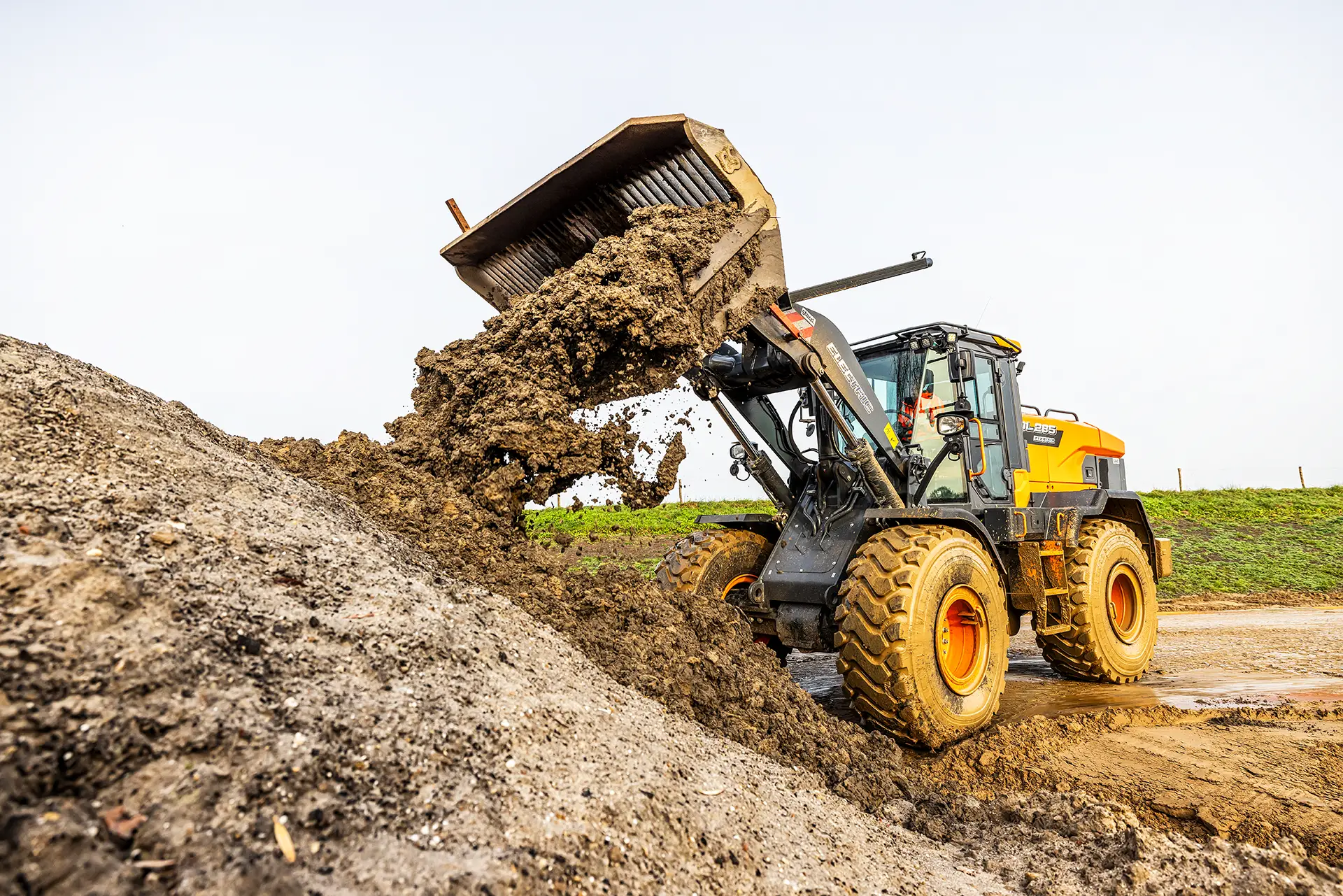
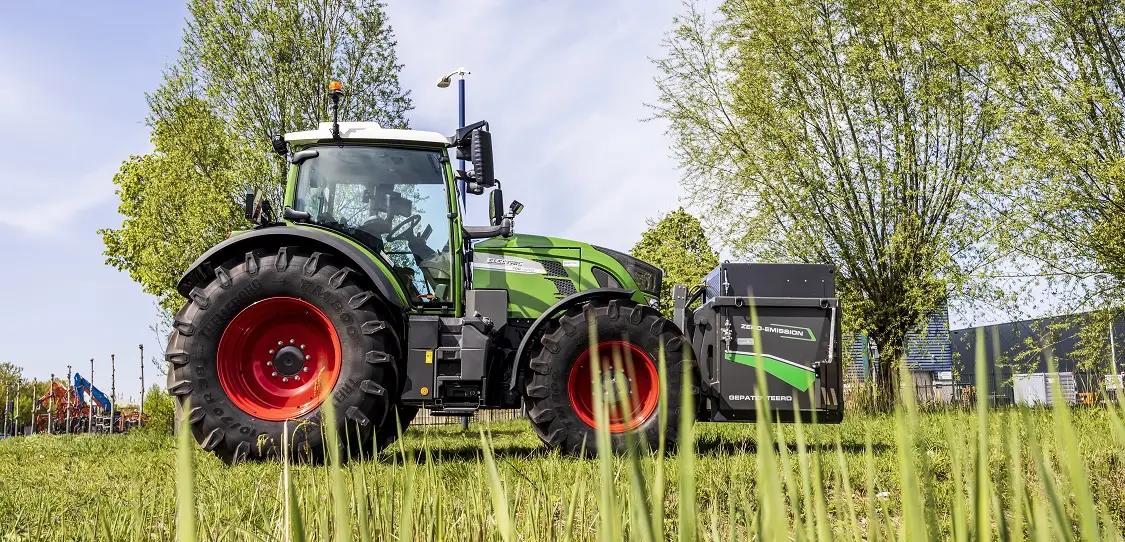
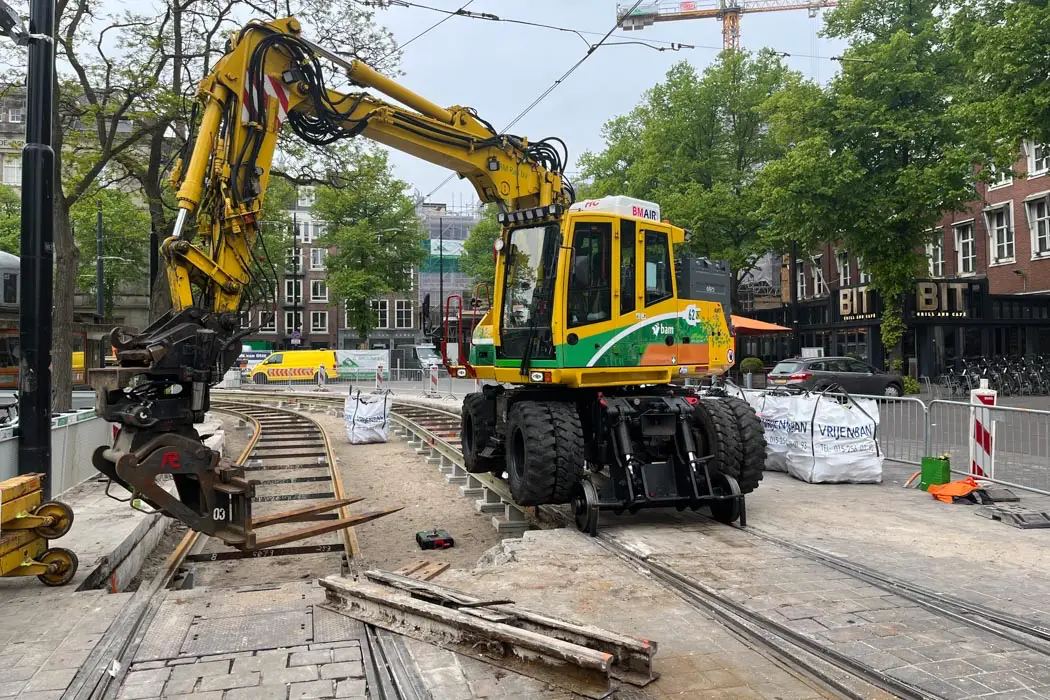
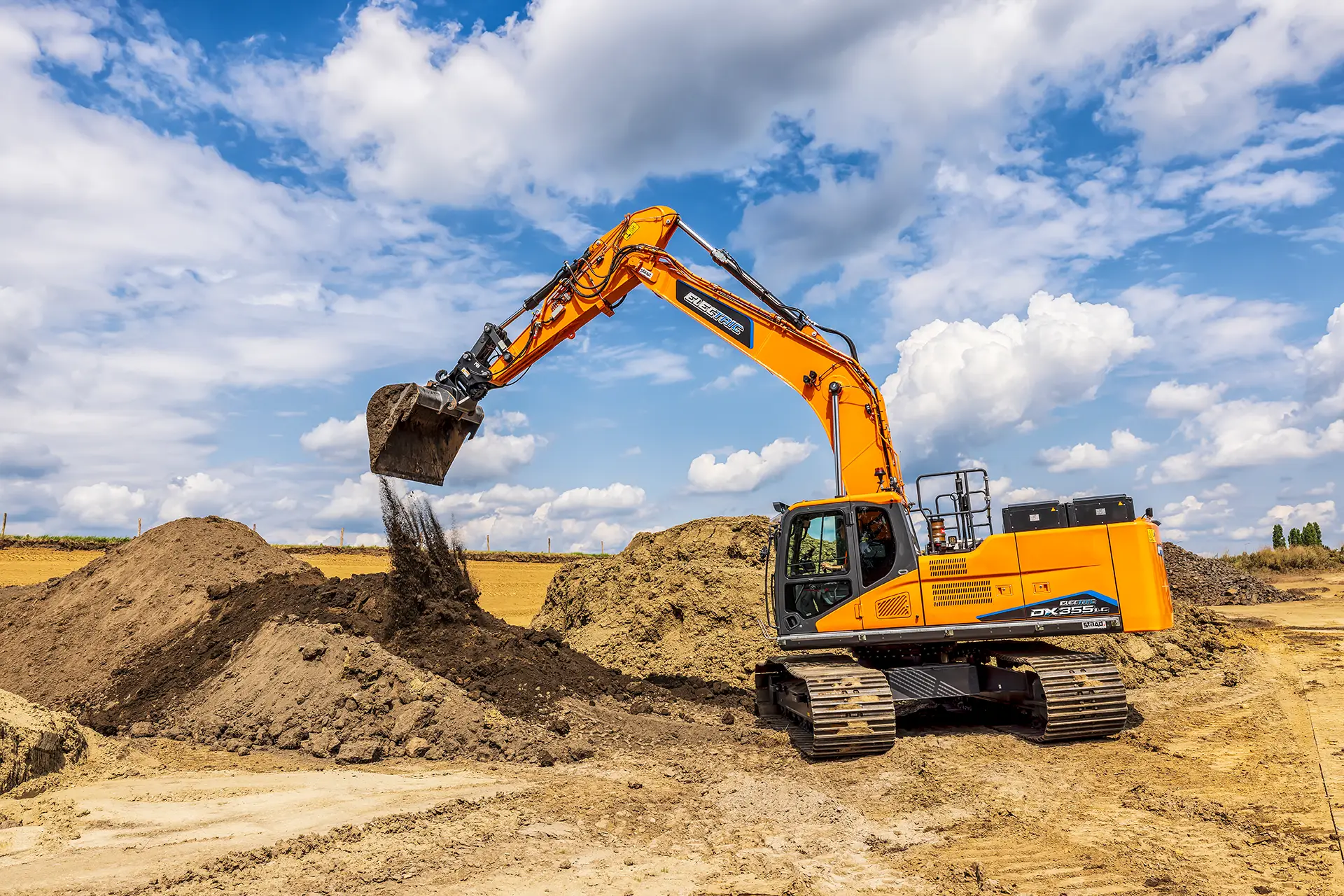
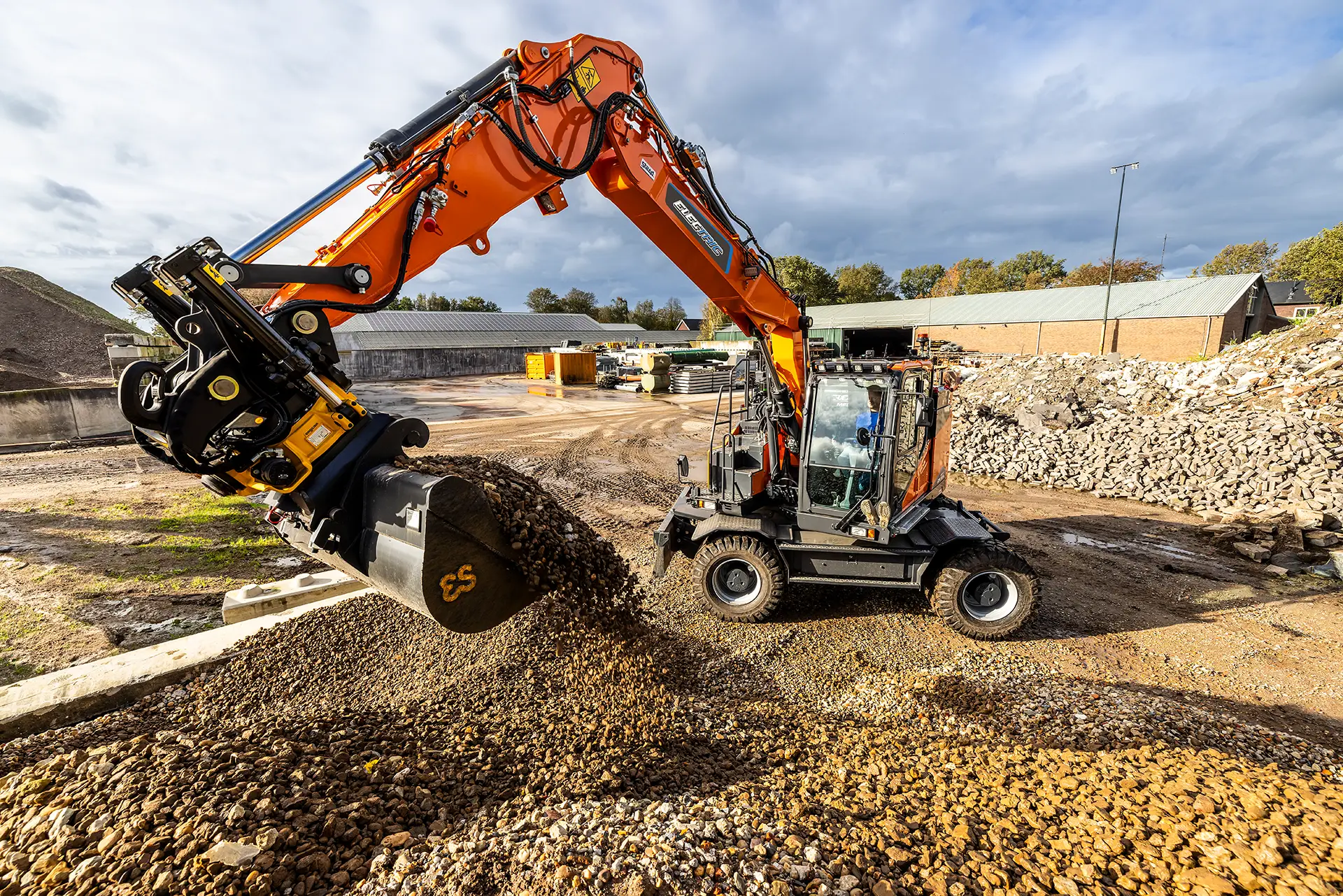
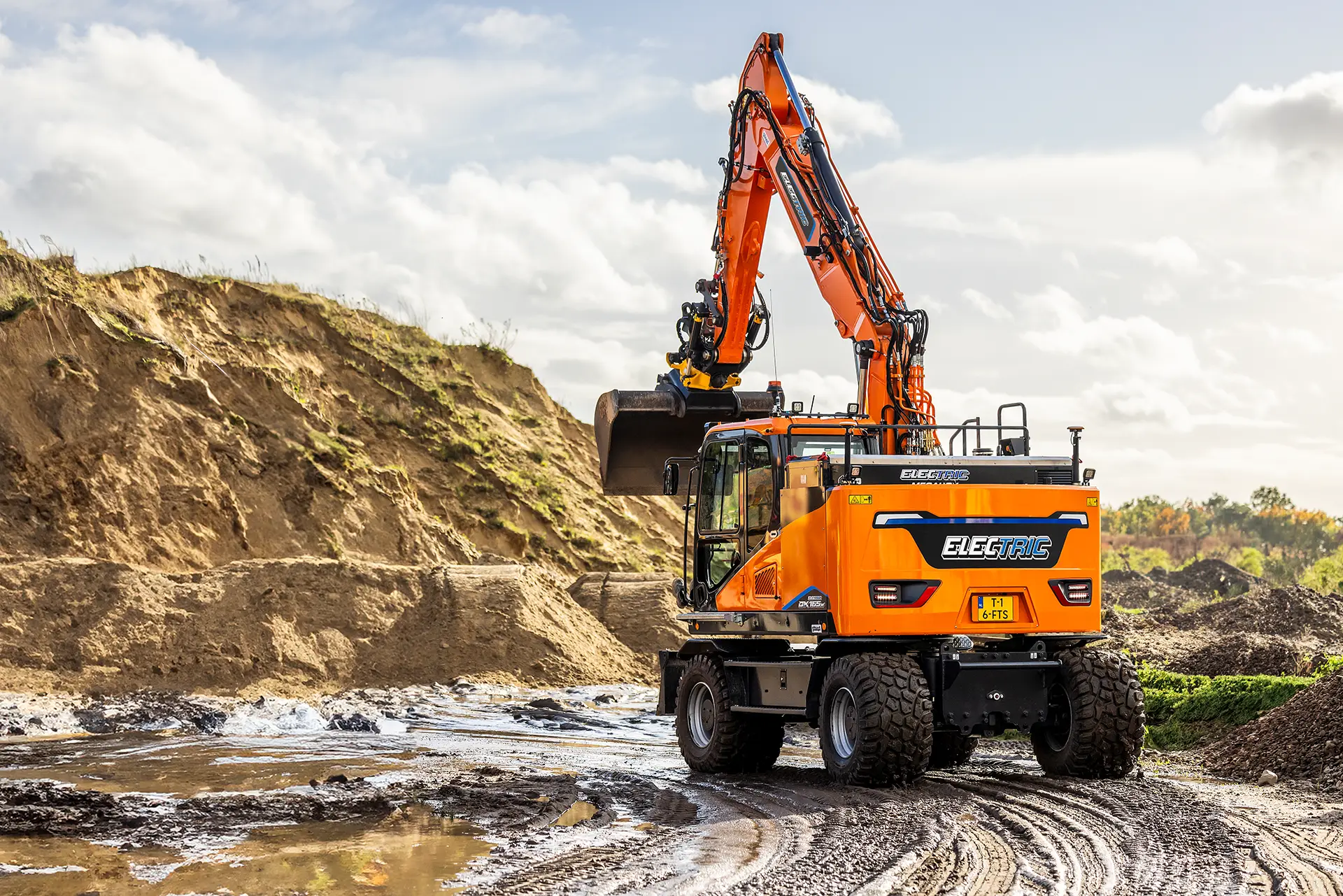
The proof of the pudding is in the eating. Sure, we talk a big game, but we also back it up with results. Please view below some of the machines we electrified.
Your email address and personal data are 100% safe with us. It only takes a few seconds to sign up and if you don’t want to hear from us anymore, unsubscribing is just as easy. Promise!